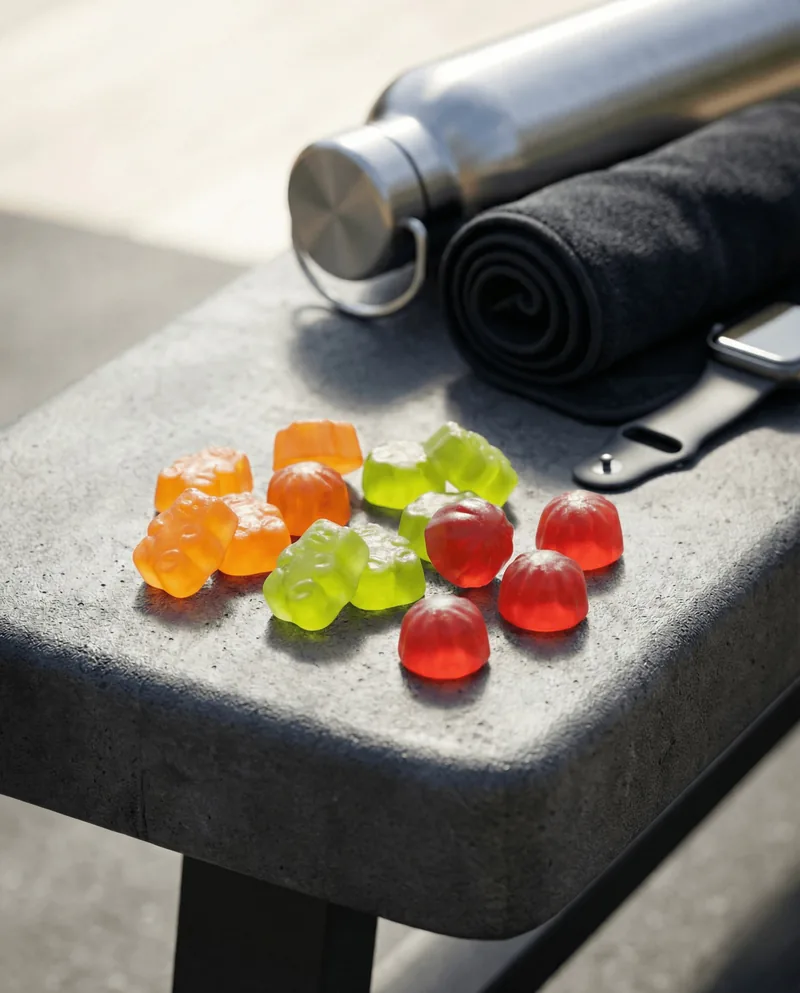
The gut health category continues to grow as consumers seek products that support digestive wellness. For brand owners, private labeling offers a way to enter this market efficiently without investing in formulation or manufacturing infrastructure. This guide outlines the key steps—from selecting product formats to scaling production—when working with a contract manufacturer that supports the Make it Yours personalisation model. It focuses on practical considerations such as ingredient sourcing, packaging options, and regulatory documentation, helping you build a competitive product line while maintaining control over your brand identity.
Where this category sits commercially
Gut health supplements occupy a significant and expanding segment of the dietary supplement market, driven by consumer interest in digestion, immunity, and overall wellness. Retail channels include health food stores, online platforms, and mainstream grocery chains. Brand owners can differentiate through targeted formulations—such as probiotics, prebiotics, digestive enzymes, or fiber blends—and by addressing specific consumer needs like bloating or gut barrier support. The category's commercial strength lies in its broad appeal across age groups and lifestyles, making it a versatile addition to any supplement portfolio.
Format options for the category
Gut health supplements are available in multiple formats to suit different consumer preferences and usage occasions. Common options include capsules, tablets, powders, and chewable gummies. Capsules and tablets offer precise dosing and extended shelf stability, while powders allow for flexible serving sizes and can be mixed into beverages. Gummies appeal to consumers seeking a more palatable experience. Each format requires specific manufacturing considerations, such as encapsulation technology, compression methods, or gelling agents, which a contract manufacturer can accommodate based on your product brief.
Building your first SKUs
When developing your initial gut health SKUs, start by defining your target audience and the specific benefit you want to emphasize, such as daily digestive support or occasional bloating relief. Select a base formulation from a manufacturer's catalog or work with their R&D team to customize ingredients under the Make it Yours model. Consider factors like dosage form, serving size, and ingredient synergy. It is advisable to begin with one or two core products to test market response before expanding your line. Your manufacturer can guide you on minimum order quantities and lead times for first runs.
Personalisation and packaging
The Make it Yours personalisation model allows you to tailor product attributes such as ingredient blends, potency levels, and flavor profiles without developing a formula from scratch. For packaging, you can choose bottle sizes, label designs, and secondary packaging that align with your brand identity. Your contract manufacturer will provide specifications for label artwork and assist with regulatory compliance for your target market. Personalisation extends to branding elements like logos and color schemes, enabling you to create a distinct product line while leveraging pre-validated manufacturing processes.
Documentation scope
Documentation for private-label gut health supplements typically includes a product specification sheet, certificate of analysis (COA) for raw materials and finished goods, and stability data if required. Your manufacturer will provide these documents to support your own regulatory filings and quality assurance processes. As the brand owner, you are responsible for ensuring that final product labels comply with applicable regulations, including ingredient listings, allergen declarations, and any health-related claims. It is recommended to maintain a comprehensive file of all documentation for audit and market access purposes.
Moving from samples to production
After finalizing your formulation and packaging design, the next step is to approve samples produced by the manufacturer. Samples allow you to verify product appearance, taste, and performance before committing to full-scale production. Once samples are approved, the manufacturer will schedule production runs based on your order quantity and their capacity. Communication regarding timelines and quality checks is critical during this phase. Upon completion, finished goods are shipped to your designated warehouse or distribution center, ready for market launch.
Ingredient, dosage or concept changes beyond the catalogue are scoped as Custom Product R&D, with feasibility, production minimum and timeline confirmed per project.
Which formats the gut-health line actually ships in
The overview above works through capsules, tablets, powders and gummies as the general format landscape for gut-health products. Inside DAT Supply's own multi-format catalogue, the sellable range for the gut-health category sits across three lanes: gummies, powder sachets and functional jellies. Powder concepts are not a separate lane here — they are portioned into single-serve sachets, which is where the category's probiotic and fibre blends sit. Capsules and tablets do sit outside those lanes, so a brief built around one of them has to move into one of the three lanes above before it can go to sampling.
Each of the three sellable lanes suits a different serving occasion inside a gut-health range. Powder sachets portion a powder or granulate concept into a single-serve pack that travels easily — the lane the category's probiotic and fibre blends are built in. Functional jellies give a chewable stick serving that reads closer to a food format than a supplement dose. Gummies are the widely recognised daily-habit format and typically anchor a range's flagship SKU. None of these choices changes the underlying ingredient sourcing or documentation path described above — it changes only the format-specific manufacturing process the brief routes through.
Sequencing a gut-health range across formats
Brand owners rarely launch a gut-health line as a single SKU. The more common path starts with one flagship format — usually a gummy, given category familiarity — and adds a second format once that first SKU has moved through sampling and into a production run. A sachet variant, for example, can carry the same ingredient direction as the flagship gummy while giving a retail buyer or a direct-to-consumer catalogue a second format to merchandise alongside it.
Sequencing this way keeps each format's brief distinct without duplicating the groundwork already covered above. The formulation direction, target consumer and category positioning carry across formats; what changes per format is the manufacturing process, the packaging options, and — because personalisation under Make it Yours is scoped per format — the specific levers available for adjustment. A brand planning a three-SKU gut-health range should expect three separate format briefs even where the ingredient story stays consistent across all three.
How documentation lines up across a multi-SKU range
The documentation scope described above — specification sheet, certificate of analysis, stability data where required — applies per SKU, not per range. A three-format gut-health line generates three specification sheets and three sets of certificates of analysis, one for each production run, because each format's raw materials, packaging and finished-product testing differ even when the active-ingredient direction is shared across the line.
That documentation sits inside the same production timeline as any other private-label order: the manufacturer's standard lead time runs 8–12 weeks from approved samples to finished goods, and a multi-SKU range should plan its documentation review inside that window rather than treating each format's paperwork as a separately negotiated schedule. Brand owners bringing several gut-health formats to market together benefit from reviewing specification sheets and certificates of analysis for all SKUs side by side, since inconsistencies between formats are easier to catch together than one at a time.
This matters most for brand owners who plan to stagger a launch — bringing the flagship gummy to market first and following with a sachet or functional-jelly variant a season later. Requesting the second format's specification sheet and sampling schedule while the first is still in production keeps the range's documentation on a consistent footing, rather than starting the paperwork trail from zero for every later addition.
Frequently asked questions — The gut health supplement private-label guide
Can a gut-health range include capsule or tablet SKUs alongside DAT Supply formats?
Not from this catalogue. The sellable gut-health lanes are gummies, powder sachets and functional jellies, so capsule or tablet SKUs would have to be sourced elsewhere. Powder concepts, by contrast, are covered — they run through the powder-sachet lane rather than a separate powders hub.
Does documentation scale with the number of formats or the number of SKUs?
With SKUs. Each SKU in a range carries its own specification sheet and certificate of analysis regardless of format, so a three-SKU range spread across two formats generates the same three sets of documents as a three-SKU single-format range would.
Do all three sellable gut-health formats support the same ingredient adjustments?
Not automatically. The base formulation for each format sets what falls under Make it Yours personalisation, so the adjustments available on a gummy base and a sachet base within the same category can differ. Confirm feasibility per format during the brief stage rather than assuming direct parity.
How does a gut-health range's timeline change across multiple formats?
Each format brief moves through its own version of the same production path — brief, personalisation, samples, then a production run inside the locked 8–12 week window — so formats launched at different times each carry their own timeline rather than sharing a single combined schedule.
Related resources
- Resource
A supplement order-minimum and cost planning guide
Plan your supplement launch with this guide on order minimums and costs for private-label brand owners. Learn about Make it Yours, samples,
Read more → - Resource
Apple cider vinegar supplements: a private-label overview
Apple cider vinegar supplements: a private-label overview — a practical private-label guide for supplement brand owners. Plan formats, categ
Read more → - Resource
Ashwagandha supplements: a private-label overview
Ashwagandha supplements: a private-label overview — a practical private-label guide for supplement brand owners. Plan formats, categories an
Read more → - Resource
Biotin supplements: a private-label overview
Biotin supplements: a private-label overview — a practical private-label guide for supplement brand owners. Plan formats, categories and doc
Read more → - Resource
Collagen supplements: a private-label overview
Collagen supplements: a private-label overview — a practical private-label guide for supplement brand owners. Plan formats, categories and d
Read more → - Resource
Creatine supplements: a private-label overview
Creatine supplements: a private-label overview — a practical private-label guide for supplement brand owners. Plan formats, categories and d
Read more → - Resource
Doypack supplement packaging explained
Doypack supplement packaging explained — a practical private-label guide for supplement brand owners. Plan formats, categories and documenta
Read more → - Resource
Electrolyte supplements: a private-label overview
Electrolyte supplements: a private-label overview — a practical private-label guide for supplement brand owners. Plan formats, categories an
Read more →
Where to next?
Browse the reviewed catalogue, request samples, or start an order when you're ready — the DAT Supply portal routes your brief through the right review step.