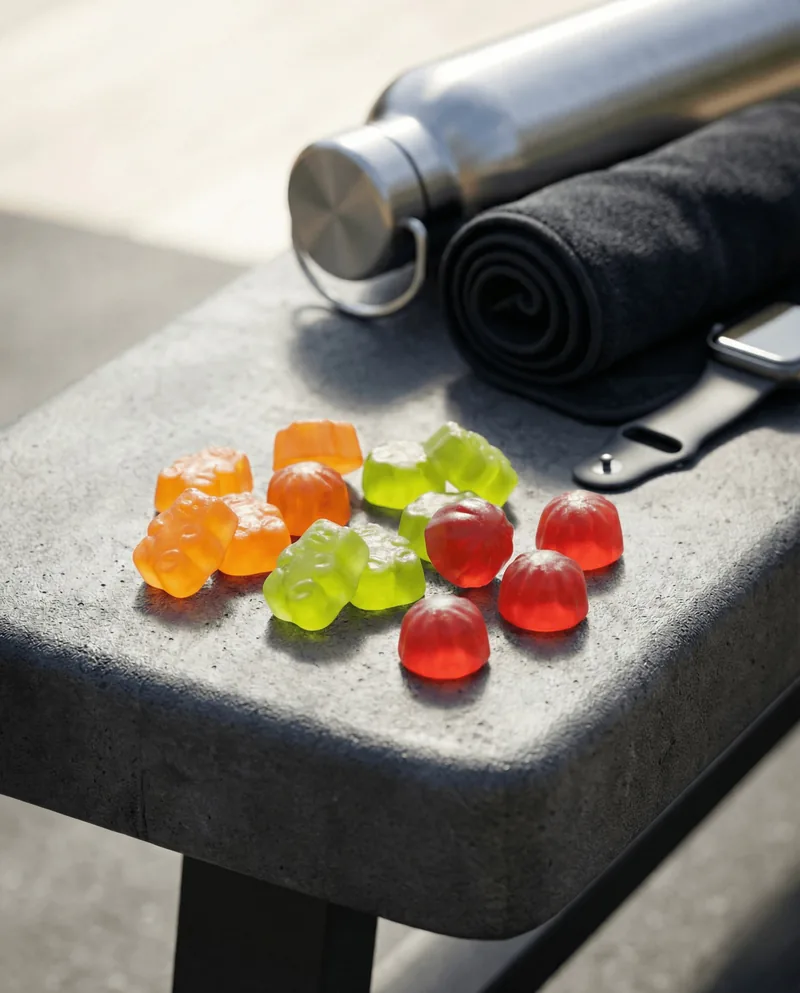
Creatine is one of the most researched and widely used sports nutrition ingredients, valued for its role in energy production during high-intensity exercise. For brand owners, private-label creatine supplements offer a straightforward entry into the performance category, with options ranging from single-ingredient powders to complex blends. This overview focuses on the practical steps of bringing a creatine product to market through a contract manufacturing partner, from selecting the right format to navigating compliance responsibilities.
What this active is and typical formats
Creatine is a naturally occurring compound that helps regenerate ATP, the primary energy currency of cells, during short bursts of intense activity. The most common form is creatine monohydrate, known for its efficacy and affordability. Typical formats include unflavored or flavored powders, capsules, tablets, and ready-to-drink liquids. Micronized creatine monohydrate is popular for improved mixability, while newer forms like creatine hydrochloride offer alternative solubility profiles.
Category fit for brand ranges
Creatine supplements fit naturally into sports nutrition, fitness, and active lifestyle ranges. They appeal to athletes, bodybuilders, and recreational gym-goers seeking performance support. Creatine can also be positioned in broader wellness lines targeting healthy aging or cognitive function, though such claims require careful substantiation. For brand owners, creatine offers a versatile anchor product that complements protein powders, pre-workouts, and recovery formulas.
Formulation and format considerations
When formulating a creatine product, key decisions include the form of creatine, dosage per serving, and delivery format. Powders allow flexible dosing and easy blending with other ingredients, while capsules offer convenience for on-the-go use. Flavoring and sweetening systems must mask creatine's characteristic bitterness. Under Make it Yours, brand owners can customize flavor, serving size, and packaging without developing a formula from scratch, leveraging pre-validated bases.
Compliance and label responsibility
The brand owner is ultimately responsible for ensuring that product labels, claims, and marketing comply with applicable regulations in their target markets. This includes verifying that creatine is a permitted ingredient, that any structure-function claims are substantiated, and that labeling meets local requirements for nutrition facts, allergen declarations, and net quantity. DAT Supply provides documentation such as certificates of analysis and formulation details to support the brand owner's compliance efforts.
How to brief this active to DAT Supply
To brief a creatine project, provide your target format, desired serving size, flavor preference, and any additional ingredients you want included. Specify packaging type and quantity. If you have a target price point or retail channel, share that to guide formulation choices. DAT Supply's team will review your brief, suggest options under Make it Yours, and provide a timeline for samples. Once approved, the project moves to production with batch-level quality checks.
Ingredient, dosage or concept changes beyond the catalogue are scoped as Custom Product R&D, with feasibility, production minimum and timeline confirmed per project.
Creatine's live format footprint
Creatine ships in the catalogue today as four gummy-lane SKUs and a functional jelly, all carrying the Sports Nutrition catalogue category. A separate powder-format creatine SKU sits in the Powder sachets lane rather than the gummy lane, even though two of those four gummy-lane SKUs carry the word "sachets" in their own name.
That naming detail matters at brief stage: the two gummy SKUs packaged in sachets are gummy-format products in sachet packaging, not placements in the separate Powder sachets format lane. Only the dedicated powder SKU sits in that lane. A brand skimming the catalogue by product name alone would read the two "sachets"-named SKUs as Powder sachets placements and miss the one SKU that genuinely sits in that lane, which is named as a powder rather than a sachet.
Creatine as one of DAT's ingredient-anchored categories
Creatine is one of only two DAT category hubs built around a single active rather than a health goal — the other is Collagen. Both sit alongside the broader, goal-led categories like Sports Nutrition, Sleep & Relax or Gut Health, so a creatine brief can be positioned either through the dedicated Creatine hub or through the Sports Nutrition hub the live SKUs are already filed under.
For a brand deciding where to anchor a range, the dedicated hub reads as ingredient-first positioning, while the Sports Nutrition placement reads as part of a broader performance range — the same formulation supports either story. A range that already has other Sports Nutrition SKUs live may prefer to keep a new creatine concept inside that same hub for a consistent range presentation, while a single-active launch brand may prefer the dedicated Creatine hub instead.
Choosing between the gummy, jelly and Powder-sachet routes
A gummy build suits a daily-ritual multi-piece dose that sits comfortably next to other performance SKUs in a range. A functional jelly suits a spooned single-serve with a different fill profile. A Powder sachets build suits a mix-in or drink-format concept for brands whose positioning leans toward a scoop-and-mix ritual rather than a chewable one.
All three routes go through the same private-label review and documentation process this guide already describes — the format choice changes the consumption ritual, not the compliance steps. A brand launching a first performance SKU can pick whichever route matches how its audience already consumes similar products, then revisit the other two formats for a later range extension without renegotiating the underlying relationship.
Which markets a creatine brief can target
DAT Supply's served markets are the EU, the UK and the US — the same markets this guide's compliance section refers to for nutrition-facts, allergen and net-quantity requirements. A creatine brief across the gummy, jelly or Powder-sachet route can name one or more of these three markets, and DAT's documentation pack is confirmed against whichever are named.
Sports-nutrition claim wording is often reviewed closely regardless of target market, so naming the market early lets that review run alongside formulation rather than as a separate pass once samples are already approved.
Moving from this overview to a brief
The project brief wizard captures format, category positioning (dedicated Creatine hub or Sports Nutrition) and target market as a structured intake.
Production lead time follows the universal 8-12 week band once a brief is confirmed and samples are approved, the same way across the gummy, jelly and Powder-sachet routes.
Frequently asked questions — Creatine supplements: a private-label overview
Does DAT have a dedicated creatine category, or is it filed only under Sports Nutrition?
Both — creatine has its own ingredient-anchored category hub in addition to the live SKUs sitting inside the broader Sports Nutrition category, so a brief can be positioned either way.
Are the creatine SKUs named 'sachets' in DAT's Powder sachets format lane?
No — they're gummy-format SKUs packaged in sachets. The separate Powder sachets lane holds a distinct powder-format creatine SKU.
What live formats can a creatine concept currently be briefed in?
Gummies, functional jelly and Powder sachets are all live for creatine today.
Related resources
- Resource
A supplement order-minimum and cost planning guide
Plan your supplement launch with this guide on order minimums and costs for private-label brand owners. Learn about Make it Yours, samples,
Read more → - Resource
Apple cider vinegar supplements: a private-label overview
Apple cider vinegar supplements: a private-label overview — a practical private-label guide for supplement brand owners. Plan formats, categ
Read more → - Resource
Ashwagandha supplements: a private-label overview
Ashwagandha supplements: a private-label overview — a practical private-label guide for supplement brand owners. Plan formats, categories an
Read more → - Resource
Biotin supplements: a private-label overview
Biotin supplements: a private-label overview — a practical private-label guide for supplement brand owners. Plan formats, categories and doc
Read more → - Resource
Collagen supplements: a private-label overview
Collagen supplements: a private-label overview — a practical private-label guide for supplement brand owners. Plan formats, categories and d
Read more → - Resource
Doypack supplement packaging explained
Doypack supplement packaging explained — a practical private-label guide for supplement brand owners. Plan formats, categories and documenta
Read more → - Resource
Electrolyte supplements: a private-label overview
Electrolyte supplements: a private-label overview — a practical private-label guide for supplement brand owners. Plan formats, categories an
Read more → - Resource
Gummies vs capsules for supplement brands
Compare gummies vs capsules for supplement brands: formulation, production, shelf appeal, and consumer trends. B2B guide for brand owners.
Read more →
Where to next?
Browse the reviewed catalogue, request samples, or start an order when you're ready — the DAT Supply portal routes your brief through the right review step.