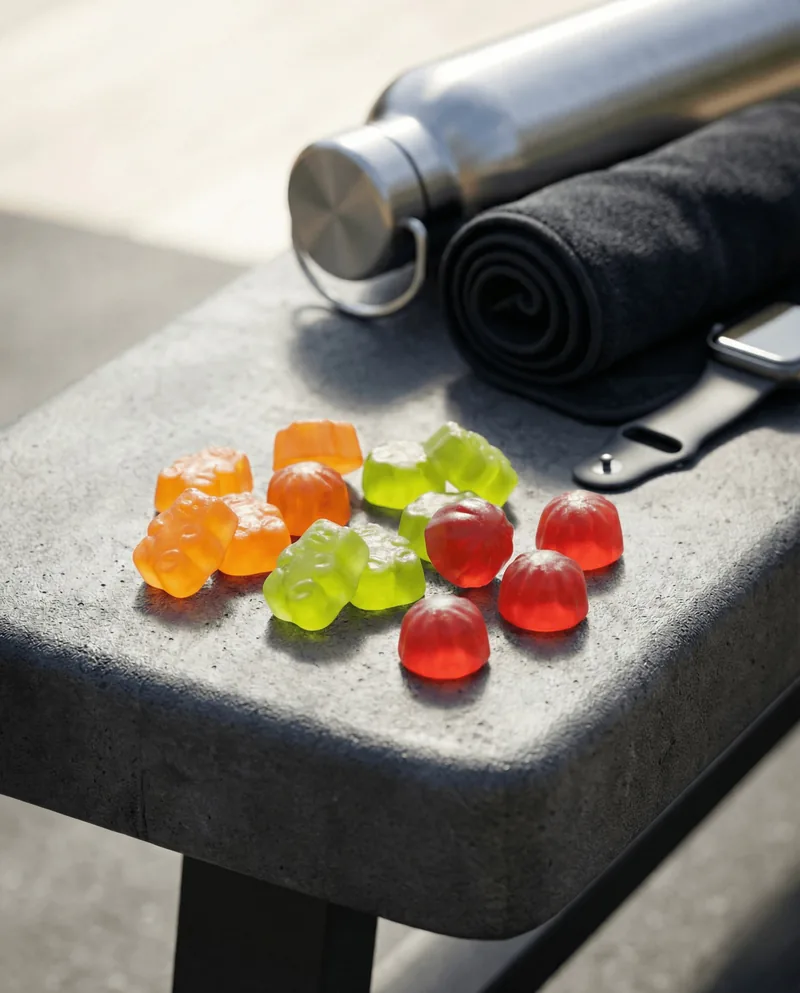
Doypack packaging, also known as stand-up pouches, is a popular format for supplements due to its convenience, resealability, and shelf appeal. For brand owners, understanding the nuances of doypack production—from material selection to printing options—is essential for a successful product launch. This section expands on the guide by detailing the practical steps and considerations when working with a contract manufacturer like DAT Supply, focusing on how the Make it Yours program streamlines customization without requiring in-house production expertise.
What to know first
Before starting a doypack project, brand owners should have a clear product concept, including the supplement form (e.g., powder, gummy, liquid) and target market. Doypacks require specific filling equipment and material compatibility, so it's important to confirm that your product can be efficiently packaged in this format. Additionally, understand that doypacks typically use multi-layer films for barrier protection, and the choice of film affects shelf life and cost. DAT Supply's team can guide you through these technical decisions during the initial consultation.
Key considerations
Key factors include pouch dimensions, closure type (e.g., zipper, spout), and printing method (rotogravure or digital). Doypacks must be designed to stand upright, which requires a gusseted bottom and proper seal strength. Consider the weight and flow characteristics of your supplement—powders may need a wider opening, while liquids require leak-proof seals. Also, think about secondary packaging like cartons or display boxes if retail placement is planned. DAT Supply can advise on standard sizes and custom options to balance cost and functionality.
Personalisation and packaging
Under the Make it Yours program, brand owners can customize doypack artwork, size, and closure type without minimum order quantities that lock them into large volumes. You can choose from a range of pre-validated pouch formats and add your branding, nutritional panel, and regulatory information. DAT Supply handles the technical integration, ensuring the packaging runs smoothly on their filling lines. This approach reduces development time and allows for quick market testing with small batches before scaling.
Documentation scope
For doypack projects, DAT Supply provides documentation including material specifications, artwork proofs, and filling parameters. However, brand owners are responsible for final label compliance, including ingredient listings, allergen statements, and any claims. DAT Supply can share general guidance on common regulatory requirements but does not assume liability for market-specific approvals. It is recommended to work with a regulatory consultant to review your doypack label before production.
How to start with DAT Supply
To begin a doypack project, contact DAT Supply to discuss your supplement concept and packaging needs. A project manager will guide you through the Make it Yours process, from selecting a base formulation to finalizing artwork. After approving samples, production can proceed in your desired volume. Start by browsing private label options or ordering samples to evaluate quality. Use the 'Start order' or 'Order samples' buttons on the product pages to initiate the process.
Ingredient, dosage or concept changes beyond the catalogue are scoped as Custom Product R&D, with feasibility, production minimum and timeline confirmed per project.
Where doypack sits across DAT's format portfolio
Doypack packaging is published as part of the gummy manufacturing route specifically — alongside PET bottle and sachet. It is not part of the standard packaging system published for DAT's other public commercial formats: Powder sachets ship in flat sachet, stick pack or outer carton; oral strips ship in wallet, strip booklet or foil sachet; functional jellies ship in sachet or outer carton; liquid drops ship in glass dropper, plastic dropper or spray cap; and pet soft chews ship in a stand-up pouch, jar or wrapped piece.
A brand briefing doypack packaging for a non-gummy format should confirm feasibility during the brief rather than assume the gummy packaging system carries over — each format is reviewed on its own packaging set. Pet soft chews come closest with a stand-up pouch option, which reads similarly to a doypack on shelf but is documented under its own species-specific packaging system rather than the gummy one this guide focuses on.
Doypack next to PET bottle and sachet, inside the gummy route
Within the gummy format, PET bottle is the canonical supplement-shelf choice for daily-use ranges with a clear nutrition table and a market-appropriate cap. Doypack reads DTC-first with a lower secondary-packaging footprint and pairs well with a subscription cadence. Sachet packaging is used for single-serve daily-ritual or travel SKUs, with sachet configuration confirmed per project.
Because all three sit inside the same reviewed formulation, moving from one to another does not require restarting formulation work — packaging fit is confirmed during the brief, independent of the underlying gummy recipe. A brand launching first in PET bottle for retail shelf and later adding a doypack SKU for a DTC subscription line can treat that as a packaging addition to an existing formulation rather than a second product development cycle.
Closures and finish options that ship with a doypack brief
DAT's published gummy packaging set names a resealable zip closure as the reviewed doypack default, alongside a child-resistant cap option, a tamper-evident seal, an outer carton or shipper, an on-pack QR or smart-label option, and a recyclable mono-material option — all reviewed per project against the target market's packaging rules.
These options apply within the doypack route specifically; a brand comparing doypack against PET bottle or sachet for the same formulation should expect a different subset of closure and finish options for each packaging type.
Artwork review runs against the target market, not the packaging type
DAT Supply's served markets are the EU, the UK and the US. Doypack artwork — like PET bottle or sachet artwork on the same formulation — is reviewed against the target-market framework named for that market before production, so the packaging type chosen does not change which regulatory framework applies.
A brand launching the same gummy concept in more than one of the three served markets should expect a separate artwork review pass per market, independent of whether the pack format is a doypack, a bottle or a sachet.
Moving from this overview to a brief
The project brief wizard captures packaging type, closure and finish preferences alongside the format and market details this guide's briefing section already describes.
Production lead time follows the universal 8-12 week band once a brief is confirmed and samples are approved, the same way across PET bottle, doypack and sachet packaging.
Frequently asked questions — Doypack supplement packaging explained
Is doypack packaging available for every DAT Supply format?
No — doypack is part of the published packaging system for the gummy format specifically. Other formats route through their own dedicated packaging options; confirm doypack feasibility for a non-gummy brief during the review.
What closure does a doypack ship with by default?
The gummy doypack packaging is documented with a resealable zip closure as the reviewed default, alongside child-resistant cap and tamper-evident-seal options considered per project.
How does doypack compare to PET bottle for a gummy launch?
PET bottle is the canonical supplement-shelf format for daily-use ranges; doypack reads DTC-first with a lower secondary-packaging footprint and suits subscription cadence — the choice is positioning-driven, not a capability difference.
Related resources
- Resource
A supplement order-minimum and cost planning guide
Plan your supplement launch with this guide on order minimums and costs for private-label brand owners. Learn about Make it Yours, samples,
Read more → - Resource
Apple cider vinegar supplements: a private-label overview
Apple cider vinegar supplements: a private-label overview — a practical private-label guide for supplement brand owners. Plan formats, categ
Read more → - Resource
Ashwagandha supplements: a private-label overview
Ashwagandha supplements: a private-label overview — a practical private-label guide for supplement brand owners. Plan formats, categories an
Read more → - Resource
Biotin supplements: a private-label overview
Biotin supplements: a private-label overview — a practical private-label guide for supplement brand owners. Plan formats, categories and doc
Read more → - Resource
Collagen supplements: a private-label overview
Collagen supplements: a private-label overview — a practical private-label guide for supplement brand owners. Plan formats, categories and d
Read more → - Resource
Creatine supplements: a private-label overview
Creatine supplements: a private-label overview — a practical private-label guide for supplement brand owners. Plan formats, categories and d
Read more → - Resource
Electrolyte supplements: a private-label overview
Electrolyte supplements: a private-label overview — a practical private-label guide for supplement brand owners. Plan formats, categories an
Read more → - Resource
Gummies vs capsules for supplement brands
Compare gummies vs capsules for supplement brands: formulation, production, shelf appeal, and consumer trends. B2B guide for brand owners.
Read more →
Where to next?
Browse the reviewed catalogue, request samples, or start an order when you're ready — the DAT Supply portal routes your brief through the right review step.