How packaging shapes supplement order minimums and timelines
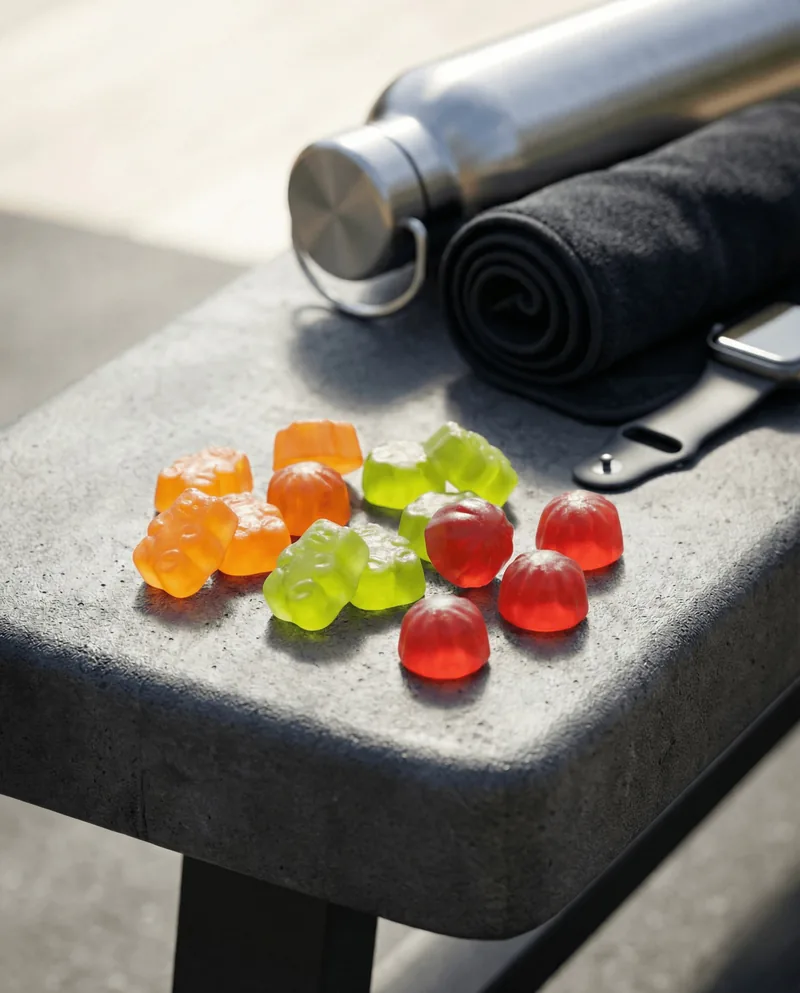
When launching a private-label supplement, packaging decisions directly influence both the minimum order quantity and the production timeline. Different formats—such as bottles, pouches, or blister packs—require distinct tooling, materials, and setup processes, which can affect how many units you must order and how long it takes to get your product to market. Understanding these dynamics early helps brand owners plan effectively and avoid delays. This section explores the relationship between packaging choices and operational constraints, providing a clear framework for decision-making.
What to know first
Before selecting packaging, brand owners should understand that each format has unique setup requirements. Bottles may need mold creation, pouches require custom film printing, and blister packs involve thermoforming tools. These upfront steps often set a baseline minimum order quantity (MOQ) and add lead time for tooling and artwork approval. Additionally, packaging material sourcing and availability can vary, impacting both cost and schedule. Knowing these basics helps you align your product concept with realistic production parameters.
Key considerations
Key factors include the complexity of the packaging design, the number of components (e.g., bottle, cap, label, insert), and whether you choose standard or custom sizes. Custom shapes or sizes typically increase MOQs and lead times due to specialized tooling. Also consider labeling requirements: multi-panel labels or unique finishes (e.g., matte, embossing) may add steps. Finally, the production volume you target—small batch vs. large run—will determine which packaging options are most cost-effective and timely.
Personalisation and packaging
Under the Make it Yours approach, you can personalize packaging elements such as label artwork, bottle color, and closure type without requiring entirely new tooling for each variation. This flexibility allows for smaller minimums on certain components while maintaining brand distinctiveness. However, personalisation still requires artwork approval and may affect timelines if multiple versions are needed. The key is to balance customization with standardization to keep MOQs manageable and production efficient.
Documentation scope
To move forward, you'll need to provide product specifications, artwork files, and any regulatory documentation relevant to your target market. This includes ingredient lists, label copy, and claims substantiation (which remains your responsibility). DAT Supply will use these documents to finalize packaging specifications and generate a project timeline. Clear documentation upfront reduces back-and-forth and helps ensure that packaging choices align with your order minimums and delivery expectations.
How to start with DAT Supply
Begin by sharing your product concept and packaging preferences through the inquiry process. A project manager will review your requirements and outline available packaging options, associated MOQs, and estimated timelines. You can then request samples to evaluate look and feel before committing to a full order. Once approved, production moves forward with your chosen packaging format. To start, click "Start order" or "Order samples" on the product page.
Ingredient, dosage or concept changes beyond the catalogue are scoped as Custom Product R&D, with feasibility, production minimum and timeline confirmed per project.
Each live format publishes its own packaging system
This guide's earlier sections describe packaging shaping minimums and timelines in general terms. In practice, each of DAT's six public commercial formats is reviewed on its own packaging set, not a single shared table: gummies publish PET bottle, doypack and sachet; Powder sachets publish flat sachet, stick pack and outer carton; functional jellies publish sachet and outer carton; oral strips publish wallet, strip booklet and foil sachet; liquid drops publish glass dropper, plastic dropper and spray cap; and pet soft chews publish a stand-up pouch, jar and wrapped piece.
A brand comparing two formats on packaging complexity is really comparing two different, independently reviewed systems — not two variations of the same table.
Working model shapes the timeline as much as packaging
Alongside packaging, the commercial route a brief takes affects the minimum and timeline conversation this guide already introduces. A private-label route starts from a reviewed catalogue concept with packaging confirmed in the brief. A personalisation route tunes flavour, colour, shape and packaging format on an existing formulation without developing from scratch. A custom development route covers bespoke formulation or a packaging story that needs its own qualification, with volumes confirmed after the development scope rather than pulled from a standard tier.
Regardless of which route or packaging type is chosen, production lead time is confirmed at the universal 8-12 week band once a brief is locked and samples are approved — packaging complexity affects the review steps beforehand, not this production band itself.
Swapping packaging inside an existing formula
Within the gummy format specifically, a reviewed formulation can move between PET bottle, doypack and sachet packaging as part of the personalisation route this guide describes, without restarting the underlying formulation work.
Moving between different formats entirely — a gummy concept becoming a functional jelly, for example — is a bigger change than a packaging swap and is scoped separately, since it means moving into a different format-specific packaging system altogether. Recognising the difference between the two kinds of change up front is what lets a brand plan realistically for a range extension instead of treating every addition as an equally large project.
Market review is a separate step from the packaging tier itself
DAT Supply's served markets are the EU, the UK and the US. Artwork and documentation are reviewed against whichever of these three markets a brief names, which is a review step layered on top of the packaging and working-model decisions this guide already covers — not a separate minimum or timeline tier of its own.
A brand targeting more than one of the three served markets from the same packaging and formulation choice should expect a review pass per market, run in parallel with (not instead of) the packaging-tooling and sample steps already described, so the market count does not push the production band itself past the universal 8-12 week window.
Moving from this overview to a brief
The project brief wizard captures format, packaging, working-model route and target market together, so the minimum and timeline conversation this guide covers happens against DAT's current tiers rather than an assumed figure.
For a packaging-specific deep dive on the gummy route's three packaging types, this guide's sibling doypack resource covers where doypack does and doesn't apply across the wider format portfolio.
Frequently asked questions — How packaging shapes supplement order minimums and timelines
Does every DAT format share the same packaging options and MOQ table?
No — each of the six live commercial formats (gummies, Powder sachets, functional jellies, oral strips, liquid drops, pet soft chews) publishes its own packaging set and is reviewed on its own tier ladder, not a single shared table.
Can I change packaging without restarting formulation?
Within the gummy format, yes — a reviewed formulation can move between PET bottle, doypack and sachet packaging as part of the personalisation route. Moving between different formats, such as gummy to functional jelly, is a bigger change and is scoped separately.
Does packaging choice change the production lead time?
Lead time follows the universal 8-12 week production band once a brief is confirmed and samples are approved; packaging choice within a format does not shorten or lengthen that band on its own.
Related resources
- Resource
A supplement order-minimum and cost planning guide
Plan your supplement launch with this guide on order minimums and costs for private-label brand owners. Learn about Make it Yours, samples,
Read more → - Resource
Apple cider vinegar supplements: a private-label overview
Apple cider vinegar supplements: a private-label overview — a practical private-label guide for supplement brand owners. Plan formats, categ
Read more → - Resource
Ashwagandha supplements: a private-label overview
Ashwagandha supplements: a private-label overview — a practical private-label guide for supplement brand owners. Plan formats, categories an
Read more → - Resource
Biotin supplements: a private-label overview
Biotin supplements: a private-label overview — a practical private-label guide for supplement brand owners. Plan formats, categories and doc
Read more → - Resource
Collagen supplements: a private-label overview
Collagen supplements: a private-label overview — a practical private-label guide for supplement brand owners. Plan formats, categories and d
Read more → - Resource
Creatine supplements: a private-label overview
Creatine supplements: a private-label overview — a practical private-label guide for supplement brand owners. Plan formats, categories and d
Read more → - Resource
Doypack supplement packaging explained
Doypack supplement packaging explained — a practical private-label guide for supplement brand owners. Plan formats, categories and documenta
Read more → - Resource
Electrolyte supplements: a private-label overview
Electrolyte supplements: a private-label overview — a practical private-label guide for supplement brand owners. Plan formats, categories an
Read more →
Where to next?
Browse the reviewed catalogue, request samples, or start an order when you're ready — the DAT Supply portal routes your brief through the right review step.