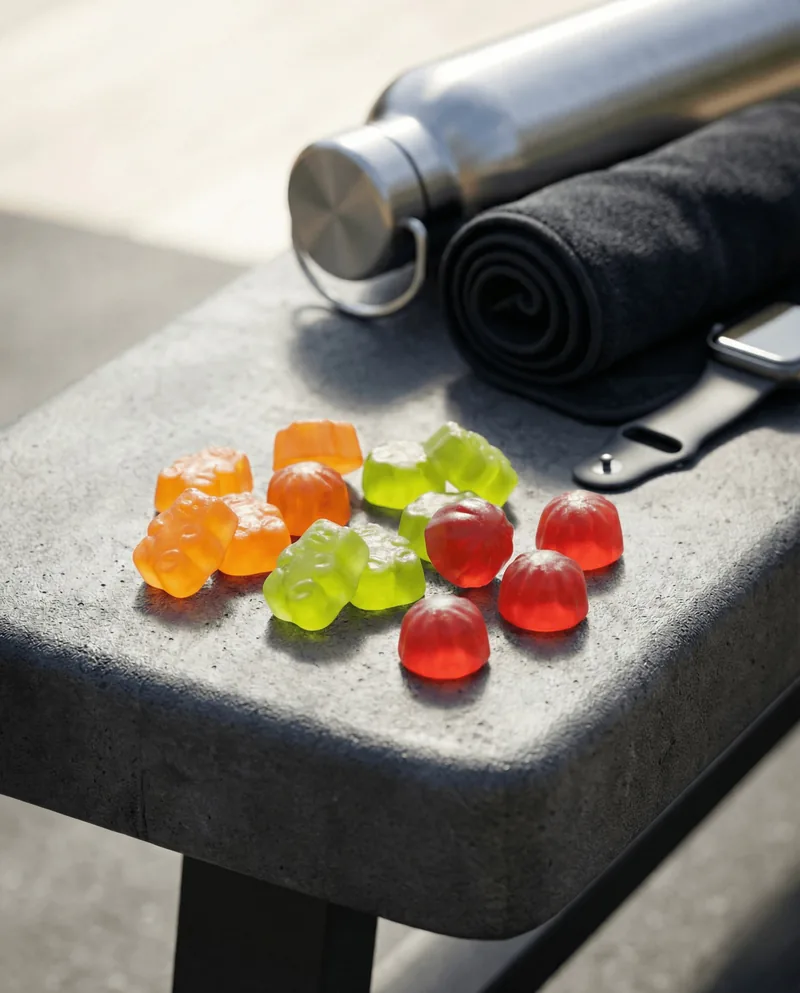
Selecting the right texture, flavour, and shape is critical when launching a private-label gummy supplement. This guide helps brand owners understand the options available through a contract manufacturer, how to brief a project, and how the Make it Yours personalisation process works from concept to production. The brand owner remains responsible for final claims, on-pack labelling and market compliance in each destination market. Whether you are exploring a first range or expanding an existing line, this resource covers what to prepare and how to move from brief to samples to production with a partner like DAT Supply.
Understanding gummy texture options
Gummy texture is a key differentiator in the supplement market. Common textures include soft and chewy, firm and bouncy, or a melt-in-the-mouth style. The choice depends on the active ingredient profile, desired mouthfeel, and target consumer preference. For example, a softer texture may be preferred for children's gummies, while a firmer chew suits adult multivitamins. When working with a contract manufacturer, you can specify texture through adjustments to the gelatin or pectin base, moisture content, and processing conditions. It is advisable to request texture samples early in the development phase to ensure the final product meets your brand's quality standards. The manufacturer can guide you on which textures work best with your chosen actives without compromising stability or shelf life.
Flavour development and masking
Flavour is arguably the most important factor for consumer acceptance. Gummies can be flavoured with natural or artificial options, including fruit, berry, citrus, and tropical profiles. For functional ingredients with strong or bitter tastes, flavour masking is essential. Manufacturers use techniques such as encapsulation, flavour layering, or using complementary sweeteners to improve palatability. When briefing your manufacturer, provide target flavour profiles and any off-note concerns. They can recommend flavour systems that align with your label claims (e.g., natural flavours). Sample iterations are standard to fine-tune the taste. Remember that flavour can interact with the gummy base and active ingredients, so stability testing is recommended. The brand owner is responsible for ensuring flavour claims comply with regulations in each market.
Shape customisation and mould options
Gummy shapes range from classic bears and worms to custom brand-specific designs. Custom moulds allow you to create shapes that reinforce your brand identity—such as logos, icons, or product-specific silhouettes. The process involves designing a 3D model, creating a mould, and testing for demoulding and consistency. Mould costs vary based on complexity and number of cavities. For smaller runs, standard shapes are more cost-effective. When planning your range, consider how shape affects dosing: uniform shapes ensure consistent weight and active content. Your manufacturer can advise on minimum order quantities for custom moulds and lead times. Browse the private label catalogue to see common shape options.
How Make it Yours personalisation works
DAT Supply's Make it Yours programme allows brand owners to customise gummies without the complexity of full R&D. You start by selecting a base formula from the private-label catalogue, then personalise texture, flavour, shape, colour, and packaging. The manufacturer provides a brief template to capture your specifications. After submission, the team reviews feasibility and provides a quote with confirmed lead times. Sample production follows, typically within a few weeks. Once approved, the order moves to full-scale production. This streamlined process reduces development risk and time to market. To begin, order samples or [Start order](https://portal.dat.supply/register) directly. For more details on timelines, review MOQ and lead times.
Regulatory and documentation considerations
Every gummy supplement must comply with regulations in its destination market. This includes ingredient approvals, labelling requirements, and claims substantiation. The brand owner is responsible for final claims and compliance. A reliable manufacturer provides documentation such as certificates of analysis, allergen statements, and manufacturing specifications. For EU market entry, you may need an EU Responsible Person and product notification. For the US, cGMP compliance and FDA registration are standard. When selecting a partner, review documentation scope or the documentation route to ensure you receive the necessary paperwork. Early planning with your manufacturer can prevent delays at launch.
From brief to production: the project route
The typical project flow begins with a discovery call to understand your vision. You then submit a brief covering target market, desired texture, flavour, shape, dosage, and packaging. The manufacturer reviews feasibility and returns a proposal with pricing and lead times. After approval, sample production starts—usually 2-3 rounds of iteration. Once samples are signed off, the order is scheduled for production. Quality control checks occur at every stage. Finally, finished goods are shipped to your warehouse or fulfilment centre. Throughout the process, a dedicated project manager coordinates communication. To explore options, browse the private label catalogue or order samples to experience quality firsthand.
Ingredient, dosage or concept changes beyond the catalogue are scoped as Custom Product R&D, with feasibility, production minimum and timeline confirmed per project.
How category positioning shapes texture, flavour and shape briefs
A kids-positioned gummy brief follows the same texture and flavour process this guide already describes, but with age-appropriate shape and flavour choices reviewed alongside dose and labelling against the destination market's rules for children's products — available as jar or single-serve sachet-packaged gummies, both still the gummy format rather than the separate Powder sachets lane.
A Beauty & Skin brief sits in a claims-sensitive category where flavour and colour are reviewed against destination-market claim rules before spec lock; gummy is one of three format options published for that category, alongside functional jelly and sachet, so a beauty concept is not committed to gummy by default. A brand can still choose gummy for the shape and finish options this guide covers even inside a claims-sensitive category — the category positioning changes what claim wording is reviewed, not which format options are open.
Texture and shape decisions that don't carry over to other formats
Mould and shape customisation, sugar-sanding and oil-polish finishes are specific to the gummy format's published packaging and production system. Functional jellies ship in sachet or outer-carton packaging, and oral strips ship in wallet, strip booklet or foil-sachet packaging — neither format publishes a shape-tooling step comparable to gummy moulding.
A brand that wants bespoke shape work as part of its brief should plan on the gummy format specifically; moving the same active to a jelly or strip format later would mean giving up shape customisation as part of that format change, not carrying it across.
Reviewed flavour and active concepts already on file
DAT keeps a short list of reviewed gummy concepts a brief can reference directly instead of starting from a blank page: a daily vitamin D3 gummy for general wellness positioning, a beauty stack pairing hyaluronic acid and biotin, and an evening blend pairing magnesium and L-theanine for a sleep-relax ritual.
Referencing one of these in a brief does not lock a brand into that exact flavour, texture or shape — it gives the manufacturer a known starting formulation to tune against the texture, flavour and shape preferences this guide already covers in detail. A brand still deciding on an active stack can use one of these three as a reference point for how texture and flavour typically get resolved for a comparable positioning, before writing a fully custom brief.
Flavour naming is reviewed per target market, not per shape
DAT Supply's served markets are the EU, the UK and the US. This guide's flavour section already notes that 'natural flavour' wording must comply with regulations in each market — naming the target market alongside the texture, flavour and shape brief lets that review happen at the same stage as the sensory decisions, rather than as a separate pass after shapes and flavours are already locked.
This does not change what shapes or textures are available — mould and texture options are the same across the three served markets — only the wording permitted on pack for the chosen flavour changes by market.
Moving from this overview to a brief
The project brief wizard captures texture, flavour, shape, category positioning and target market together, so a kids or beauty-positioned brief can note the age or claims-sensitivity context in the same structured intake this guide describes.
Production lead time follows the universal 8-12 week band once samples from any of these starting concepts are approved.
Frequently asked questions — Gummy texture, flavour and shape options for brands
Do shape and mould customisation options apply to functional jellies or oral strips too?
No — mould and shape customisation is specific to the gummy format. Functional jellies ship in sachet or outer-carton packaging and oral strips in wallet, booklet or foil-sachet packaging, without the same shape-tooling step.
Are there already-reviewed flavour and active combinations I can start from?
Yes — DAT keeps a short list of reviewed starting concepts, including a daily vitamin D3 gummy, a beauty hyaluronic-and-biotin stack, and an evening magnesium-and-L-theanine blend, that a brief can reference directly.
Does a kids-positioned gummy brief follow the same shape process as an adult range?
The shape and flavour process is the same; what changes is the dose, age wording and label review, which follow the destination market's rules for children's products.
Related resources
- Resource
A supplement order-minimum and cost planning guide
Plan your supplement launch with this guide on order minimums and costs for private-label brand owners. Learn about Make it Yours, samples,
Read more → - Resource
Apple cider vinegar supplements: a private-label overview
Apple cider vinegar supplements: a private-label overview — a practical private-label guide for supplement brand owners. Plan formats, categ
Read more → - Resource
Ashwagandha supplements: a private-label overview
Ashwagandha supplements: a private-label overview — a practical private-label guide for supplement brand owners. Plan formats, categories an
Read more → - Resource
Biotin supplements: a private-label overview
Biotin supplements: a private-label overview — a practical private-label guide for supplement brand owners. Plan formats, categories and doc
Read more → - Resource
Collagen supplements: a private-label overview
Collagen supplements: a private-label overview — a practical private-label guide for supplement brand owners. Plan formats, categories and d
Read more → - Resource
Creatine supplements: a private-label overview
Creatine supplements: a private-label overview — a practical private-label guide for supplement brand owners. Plan formats, categories and d
Read more → - Resource
Doypack supplement packaging explained
Doypack supplement packaging explained — a practical private-label guide for supplement brand owners. Plan formats, categories and documenta
Read more → - Resource
Electrolyte supplements: a private-label overview
Electrolyte supplements: a private-label overview — a practical private-label guide for supplement brand owners. Plan formats, categories an
Read more →
Where to next?
Browse the reviewed catalogue, request samples, or start an order when you're ready — the DAT Supply portal routes your brief through the right review step.