Who it's for
Sports-nutrition brands building a creatine-led SKU across formats.
Creatine dose-per-serving and format are confirmed per project against the brief. Reviewed for Luxembourg brands.
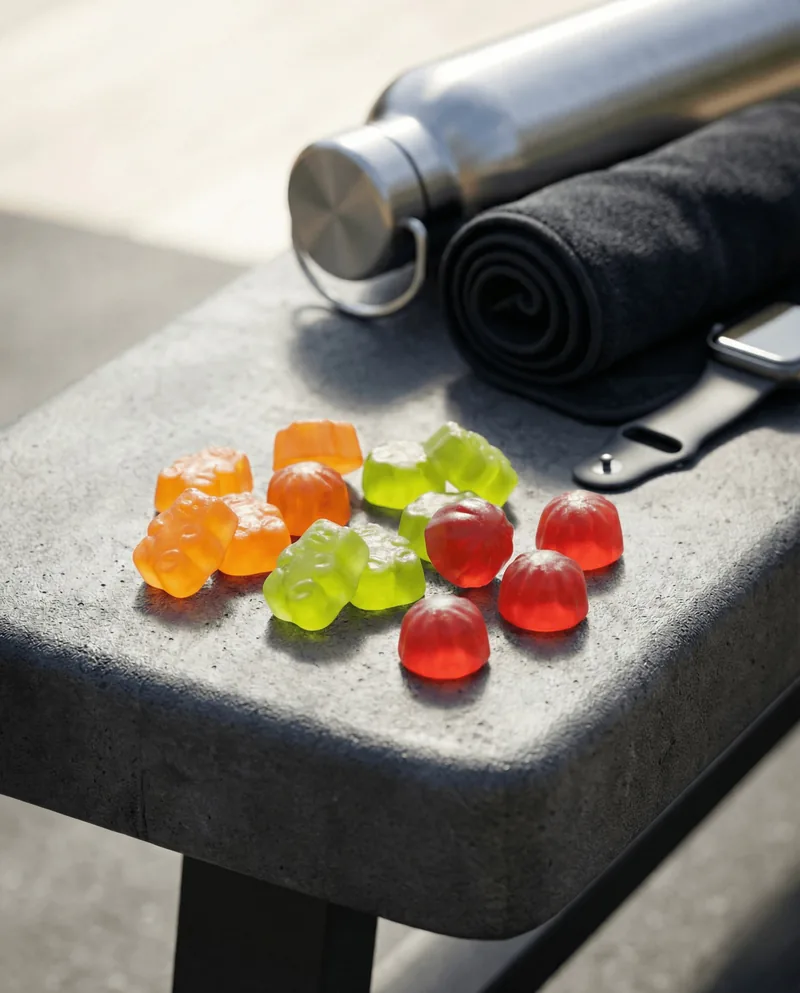
Sports-nutrition brands building a creatine-led SKU across formats.
creatine monohydrate, creatine gummies, creatine sachets
Review the options below, order samples, then continue in the DAT Supply portal — reviewed for Luxembourg brands.
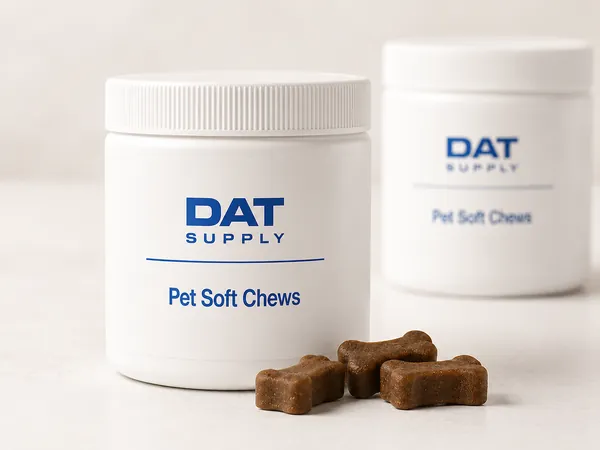
Private-label dogs soft chew: 3 g chew, 60 per bottle, 180 g net. Protein And Recovery Support For Active And Working Animals.

Creatine + Taurine Gummies is a private-label pectin-gummy supplement concept for brands building a energy & focus range. Final positioning, claims and documentation are reviewed per project and target market.
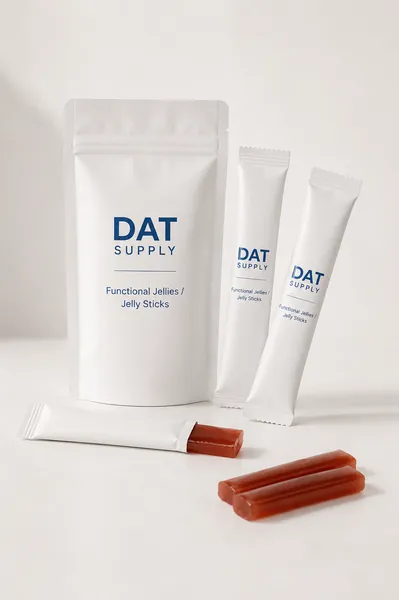
Private-label functional jelly stick: 25 g stick, 30 per carton. Creatine Monohydrate In A Ready-To-Eat Format.

Creatine Gummies is a private-label pectin-gummy supplement concept for brands building a energy & focus range. Final positioning, claims and documentation are reviewed per project and target market.
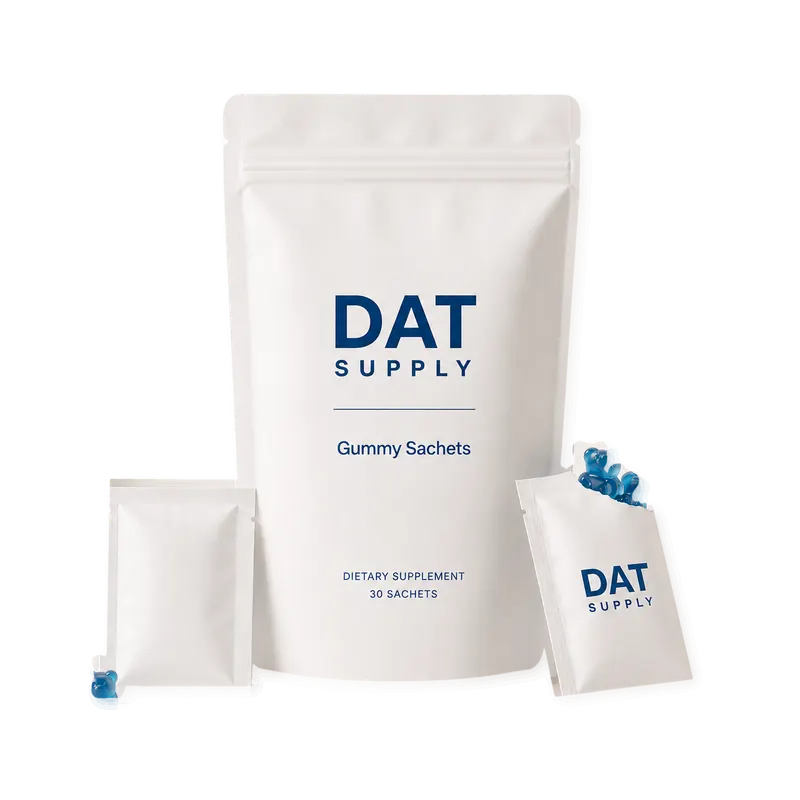
Creatine Performance 3G Sachets is a private-label pectin-gummy supplement concept for brands building a energy & focus range. Final positioning, claims and documentation are reviewed per project and target market.
Creatine Plus 5G Sachets is a private-label pectin-gummy supplement concept for brands building a energy & focus range. Final positioning, claims and documentation are reviewed per project and target market.
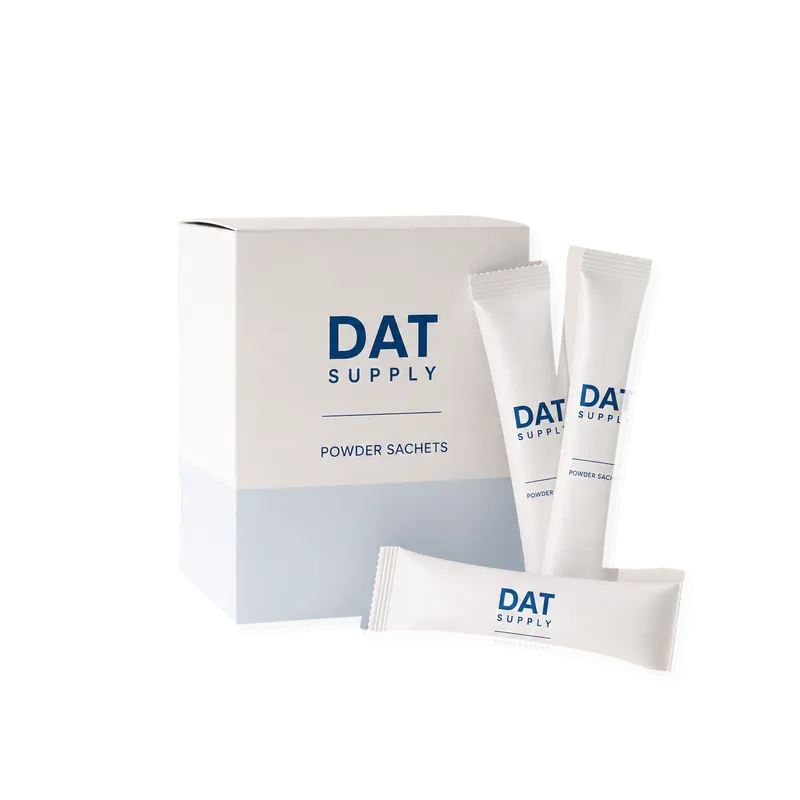
Private-label creatine powder (powder format). Key actives: Creatine Monohydrate. Per 1 sachet. EU & US draft formula, MOQ-friendly private label.
From 2,500 units
Lead time is typically 8–12 weeks depending on format, packaging, production slot and destination. Final timeline is confirmed during order setup before payment.
Order samplesFlavour and format (gummy, sachet, jelly stick) are reviewed at sample stage.
DAT releases the standard documentation package by project stage. External testing, full COA, additional microbiological reports, heavy metals, pesticide residue reports or raw-material supplier documentation are reviewed and quoted separately unless included in the agreed project scope.
Label artwork, on-pack copy and retail packaging for Luxembourg are written in Luxembourgish / French / German. Plan translation and claims review alongside sampling so production is not waiting on artwork.
Food-supplement notification for Luxembourg is filed with Direction de la santé / ALVA. The notification and final on-pack claims remain the brand owner's responsibility; DAT supplies the supporting product documentation.
EU institutions HQ + tri-lingual artwork compatibility Reading the Luxembourg signal for a brand owner brief: the working language is Luxembourgish, French and German; the pharmacie, grocery and DTC (largely cross-border) channel mix shapes pack format and unit economics; the notification authority (Direction de la santé / ALVA) sets the regulatory cadence; and the cert panel commonly seen on Luxembourg pack is V-Label, EU organic leaf, kosher / halal where the brief requires it. The most distinctive Luxembourg working signal is that small domestic market is often launched alongside Belgium and Germany using a multi-language artwork variant.
Range planning for Luxembourg brands usually starts from language: pack copy runs Luxembourgish, French and German together, and a domestic listing is commonly bundled with Belgium and Germany on one shared multi-language artwork variant, with the Direction de la santé notification — handled via ALVA — sitting alongside the equivalent filings for the neighbouring markets rather than on its own administrative track.
For creatine, that setup rewards asking a different first question of every candidate SKU: how many actives its shared artwork will have to explain. A single-active concept keeps the ingredient declaration and claim wording short in each of the three languages at once, so active count — not flavour or format — becomes the practical sorting key for what enters the bundled launch first.
The catalogue's creatine concepts are built on creatine monohydrate, with dose-per-serving confirmed per project against the brief rather than printed as a property of the category. The Creatine Performance and Creatine Plus sachets — two serving weights of the same single active — open the range: one short ingredient line, translated three times, closes the artwork discussion quickly, and the Creatine Boost Jelly extends that single-active simplicity into the jelly-stick format without adding wording.
The gummy pair is where the three-language claim pass concentrates: Creatine Gummies carries cyanocobalamin beside the monohydrate, and Creatine + Taurine Gummies adds taurine as well, so each language variant has more ingredient and claim copy to hold. Flavour, colour and shape on any of these sit inside Make it Yours; changing an active, a serving weight or a claim moves the work into Custom Product R&D.
The Direction de la santé notification, handled via ALVA, is the Luxembourg step. When a range launches as a bundled multi-language listing, that filing is commonly coordinated alongside the equivalent Belgian and German ones rather than run as a separate track.
The Creatine Performance and Creatine Plus sachets list creatine monohydrate alone, and the Creatine Boost Jelly is likewise a single-active concept — which keeps their tri-lingual ingredient and claim copy short. The two gummy concepts carry companion actives, so their label pass takes longer.
Yes — flavour, colour and shape changes on an existing creatine formula sit inside Make it Yours. Changing the active, a serving weight or the claim wording moves the project into Custom Product R&D, and samples precede any production order either way.
Send the brief — DAT reviews and routes it to the right working track, with documentation reviewed for Luxembourg brands.